What to do with an inherited wine collection
By Bordeaux Brian · 2026-10-01
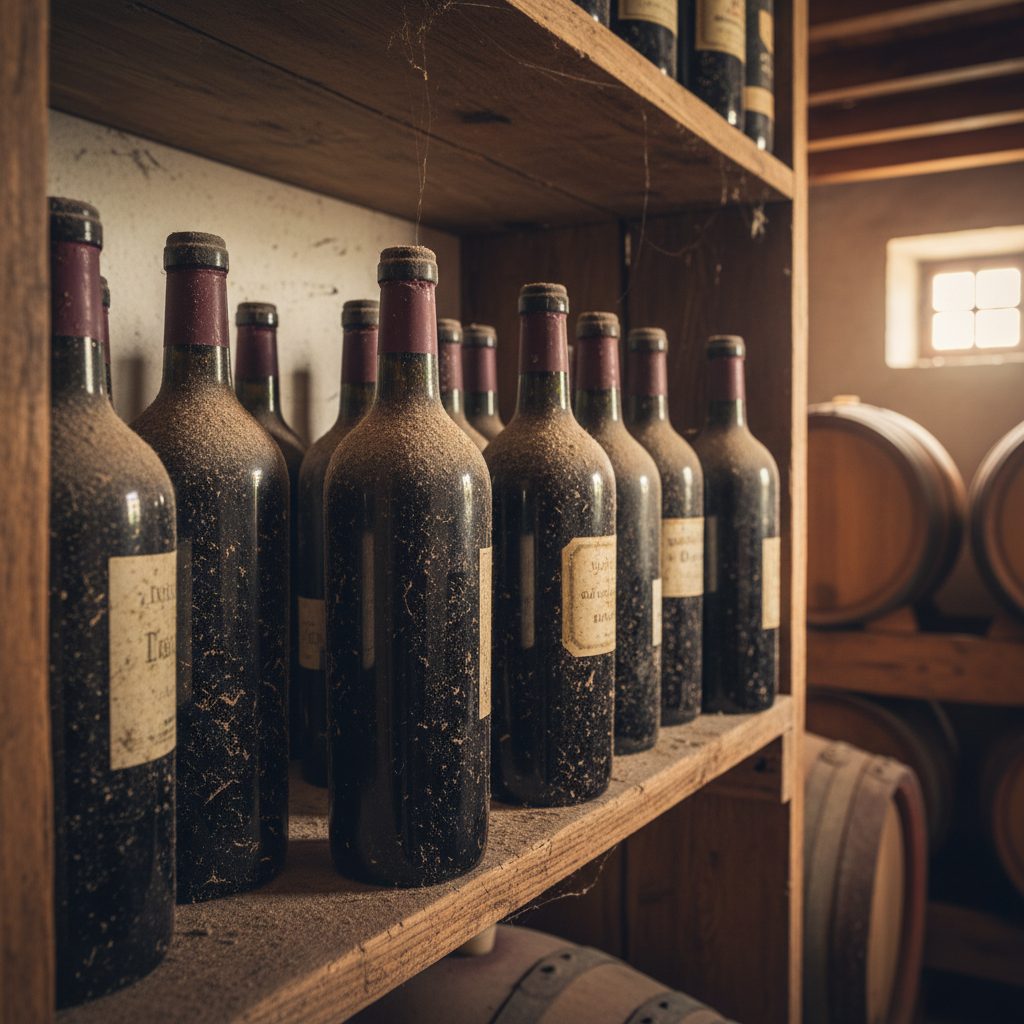
Inheriting a wine collection is a unique journey that blends sentimental value with practical logistical needs. The first step is to secure the wine in a cool, dark place while you inventory the bottles to determine their condition and market worth.
Assessing the Situation Immediately
When a collection lands in your lap, time is of the essence, but not for the reasons you might think. You don't need to drink it all tomorrow, but you do need to ensure the wine doesn't spoil. Wine is a living thing, and it is sensitive to heat, light, and vibration. If the collection is currently in a temperature-controlled cellar, keep the power on and the door closed. If the bottles are in a garage or a kitchen pantry, move them to the coolest, darkest part of the home—usually a basement or a closet away from exterior walls.
Once the environment is stable, take a breath. You don't need to be an expert to handle the next few weeks. Most inherited collections fall into three categories: a modest group of sentimental bottles, a well-curated hobbyist cellar, or a high-value investment portfolio. Your goal is to figure out which one you have without rushing into a sale or opening a potentially priceless bottle for a Tuesday night pizza.
Creating a Detailed Inventory
The foundation of every good decision regarding wine is a clear list. You cannot value what you cannot see. Grab a notebook or a simple spreadsheet and start documenting each bottle. You are looking for four specific pieces of information: the Producer (the name of the winery), the Vineyard (if applicable), the Vintage (the year on the label), and the Region (such as Bordeaux, Napa Valley, or Tuscany).
While you are recording these details, take note of the physical condition of the bottles. Look at the "fill level"—how high the wine sits in the neck. If the wine is below the shoulder of the bottle, it may have oxidized. Check the foil (the capsule) for signs of leaking or stickiness, and look at the labels for dampness or mold. While a basement-worn label doesn't always mean the wine is bad, it can affect the resale value if you choose to go that route.
Understanding Market Value vs. Personal Value
It is easy to see a famous name on a label and assume you’ve struck gold. However, wine pricing is nuanced. Retail prices you see online are rarely what a private individual can get when selling. Professional buyers and auction houses take commissions, and they require proof of "provenance"—a documented history of how the wine was stored.
If the collection was stored in a professional-grade cellar with logs, the value remains high. If it was kept in a box under a bed for twenty years, the value is significantly lower because the quality is a gamble. Use free online databases to get a ballpark idea of what individual bottles might be worth, but treat these numbers as estimates. The real value of an inherited collection often lies in the stories behind the bottles and the memories of the person who collected them.
Practical Steps to Manage the Collection
Once you have your inventory, you need to decide the fate of the cellar. Here is a logical path to follow:
- Separate the Keepers: Identify bottles that have sentimental value or those you know you enjoy drinking. Set these aside for special occasions, anniversaries, or family gatherings.
- Appraise High-Value Bottles: If you find labels like Lafite Rothschild, Petrus, or Screaming Eagle, consider hiring a professional appraiser. They can provide a formal valuation for insurance purposes or potential sale.
- Evaluate Storage Logistics: If you plan to keep more than 50 bottles, you may need to invest in a dedicated wine refrigerator. Maintaining a constant 55 degrees Fahrenheit is the gold standard for long-term aging.
- Decide on a Sale Path: If the collection is too large to consume, you have options. You can reach out to local wine retailers who buy private collections, contact national auction houses, or use online consignment platforms.
- Check Local Laws: Selling alcohol as a private individual is regulated differently in every state. Often, the easiest way to sell is through a licensed third-party who handles the legalities for you.
The Joy of Sharing the Legacy
One of the most rewarding things you can do with an inherited collection is to share it. Wine is meant to be a social experience. If you have bottles that were collected during a specific era of the original owner's life, consider hosting a tribute dinner. Pop the corks, share stories, and let the wine perform its final duty: bringing people together. Even if a bottle has slightly faded over time, the act of drinking it in honor of a loved one provides a value that no auction house can quantify.
If you find yourself with bottles that aren't particularly valuable but are still drinkable, they make wonderful gifts for friends who are just starting their wine journey. It clears space in your home while spreading the generosity of the original collector.
FAQ
How can I tell if a bottle of wine has gone bad?
Look for a few warning signs: a cork that is pushing out of the top, a brownish color in red wines (or a dark amber in whites), and a smell that reminds you of vinegar, wet cardboard, or nail polish remover. If the wine smells like raisins or stewed fruit, it may have been exposed to too much heat.
Can I sell my wine on eBay or Facebook Marketplace?
In most jurisdictions, selling alcohol without a liquor license is illegal, and platforms like eBay have very strict rules that usually prohibit private sales of alcohol. It is much safer and easier to work with a licensed auction house or a specialty wine broker who handles the legal compliance for you.
Do I need to buy a wine fridge right away?
Not necessarily. If you plan to drink the wine within a year and have a dark, cool place that stays under 70 degrees consistently, the wine will be fine. However, for long-term aging of high-value bottles, a temperature-controlled environment is essential to prevent the corks from drying out and the wine from aging prematurely.
Next Step
Managing a collection can feel overwhelming, especially when you are balancing emotions with logistics. I’ve spent over three decades navigating cellars just like yours, and I’d be happy to help you make sense of what you have. For a free 15-minute consultation to discuss your inventory and your options, send a text to Brian at 713-420-9250.