How to start a wine collection (without wasting money)
By Bordeaux Brian · 2026-10-01
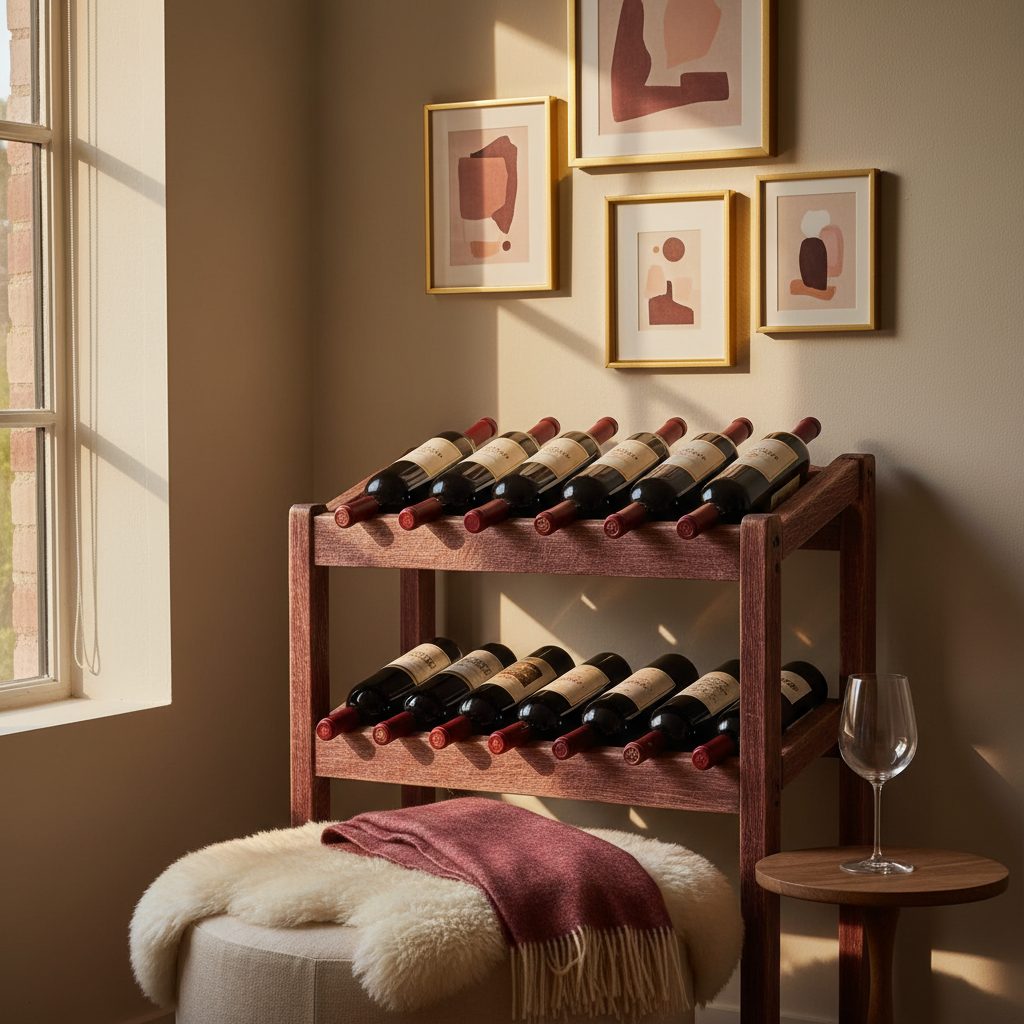
Starting a wine collection without wasting money requires a balance between controlled storage conditions and a disciplined buying strategy that favors personal taste over market trends. By focusing on provenance, aging potential, and diversified regional selections, you can build a cellar that provides both enjoyment and long-term value.
Define Your Collecting Goals
Before you buy your first case, you must ask yourself why you are collecting. Are you looking to have the perfect bottle for every Tuesday night dinner, or are you hoping to tuck away treasures that will appreciate in value over twenty years? Most successful collectors land somewhere in the middle. The biggest mistake beginners make is buying "trophy" wines just because they saw them on a top-ten list. If you don't enjoy the high-tannin structure of a young Left Bank Bordeaux, spending five hundred dollars on a bottle of Château Latour is a waste of money today. Your collection should be a reflection of your palate, not a replica of a critic’s scorecard.
To avoid financial waste, start by identifying your "house style." Spend a few months tasting different regions—Rioja, Piedmont, Napa Valley, and of course, the various communes of Bordeaux. Once you know what you love, you can allocate your budget toward wines that you will actually look forward to drinking. A collection is only a waste if the bottles sit unloved or if you realize five years later that your tastes have completely changed.
The Non-Negotiable: Proper Storage
I have seen thousands of dollars worth of fine wine turned into expensive vinegar because of poor storage. If you do not have a cool, dark, and vibration-free environment, you are effectively throwing money away. Wine is a living thing; it breathes through the cork and reacts to its surroundings. Heat is the primary enemy. Any temperature over 70°F (21°C) will cause the wine to age prematurely and lose its delicate aromatic profile.
If you aren't ready to install a professional cellar, a dedicated wine refrigerator is your best friend. Look for units that maintain a steady 55°F (13°C) and roughly 60-70% humidity. Avoid keeping wine in a standard kitchen fridge for more than a few weeks, as the vibrations from the compressor and the lack of humidity will eventually dry out the corks. For those living in small apartments, consider professional off-site storage. While it carries a monthly fee, the peace of mind knowing your investment is protected in a climate-controlled warehouse is worth every penny.
Buying Strategies to Maximize Value
One of the most effective ways to save money is to buy "En Primeur" or wine futures. This is a system where you purchase the wine while it is still in the barrel, usually two years before it is bottled and released. This is particularly common in Bordeaux. By buying early, you often secure the lowest possible price. However, this requires patience and a bit of research, as you are buying based on the reputation of the vintage and the producer rather than a finished product.
Another way to stretch your dollar is to look for "Second Labels." Many of the top-tier châteaux in Bordeaux produce a second wine made from younger vines or lots that didn't quite make the cut for the Grand Vin. These wines often share the same winemaking team and philosophy as the flagship bottle but cost a fraction of the price. They also tend to be approachable earlier, meaning you don't have to wait two decades to enjoy them.
Practical Steps to Building Your Cellar
- Set a Monthly Budget: It is easy to get carried away at a wine auction. Decide on a fixed amount you are comfortable spending and stick to it.
- Buy by the Case: When you find a wine you truly love, buy six or twelve bottles. This allows you to track the wine’s evolution over several years, opening a bottle every 18 to 24 months.
- Diversify Vintages: Don't buy only from "legendary" years like 2010 or 2016. "Off" years often provide incredible value and are ready to drink much sooner, filling the gap while your big bottles age.
- Use a Cellar Tracker: Keep a digital log of what you have, where it is, and when it should be drunk. Drinking a wine past its prime is a form of wasting money.
- Focus on Provenance: When buying older bottles, always ask about the storage history. A cheap bottle of 1982 Margaux is no bargain if it spent ten years in a sunny garage.
Avoiding the Hype Trap
Marketing in the wine world is powerful. You will see flashy labels and celebrity-backed brands that command high prices but lack the structure to age. To build a collection without wasting money, look for regions that are currently undervalued. While everyone is chasing expensive Burgundy, look toward the Cru Bourgeois of Bordeaux or the high-altitude Nebbiolos from Northern Italy. These wines offer similar complexity and aging potential at a much lower entry point.
Educate yourself on producers rather than just regions. A great winemaker can make a beautiful wine even in a difficult year, whereas a mediocre producer might fail even in a perfect vintage. Follow specific estates and learn their styles. This knowledge is your greatest shield against overpaying for mediocrity.
Understanding the Lifecycle of Your Collection
A collection should be dynamic. It is a common mistake to hoard wine, waiting for a "special occasion" that never comes. The truth is, opening the bottle makes the occasion special. As you start your collection, aim for a mix: 20% for immediate drinking (within 1-2 years), 50% for mid-term aging (5-10 years), and 30% for long-term cellaring (10+ years). This structure ensures that you always have something ready to pull from the rack without feeling like you are "robbing the cradle" of your finest bottles.
FAQ
How many bottles do I need to call it a collection?
There is no magic number, but most enthusiasts consider 50 to 100 bottles a functional collection. This allows for enough variety to pair with different meals while ensuring you have enough stock to let certain bottles age undisturbed.
Is it worth buying wine at auction?
Auctions can be a great place to find rare or aged bottles, but they come with buyer’s premiums (fees) and risks regarding storage history. For beginners, it is often safer to buy from reputable retailers who guarantee the condition of their stock.
Should I only collect red wine?
Absolutely not. High-quality white wines, especially white Bordeaux (Sémillon/Sauvignon Blanc blends) and Rieslings, can age beautifully for decades. Champagne is also a fantastic addition to any cellar and often increases in complexity with a few years of extra age.
Next Step
Building a cellar is a journey that should be as rewarding as the wine itself. If you want to skip the trial and error and get a personalized roadmap for your collection, I’m here to help. Text me at 713-420-9250 to schedule a free 15-minute consultation, and let's talk about the bottles that belong in your future.