How to store wine at home: a simple setup that protects your bottles
By Bordeaux Brian · 2026-10-01
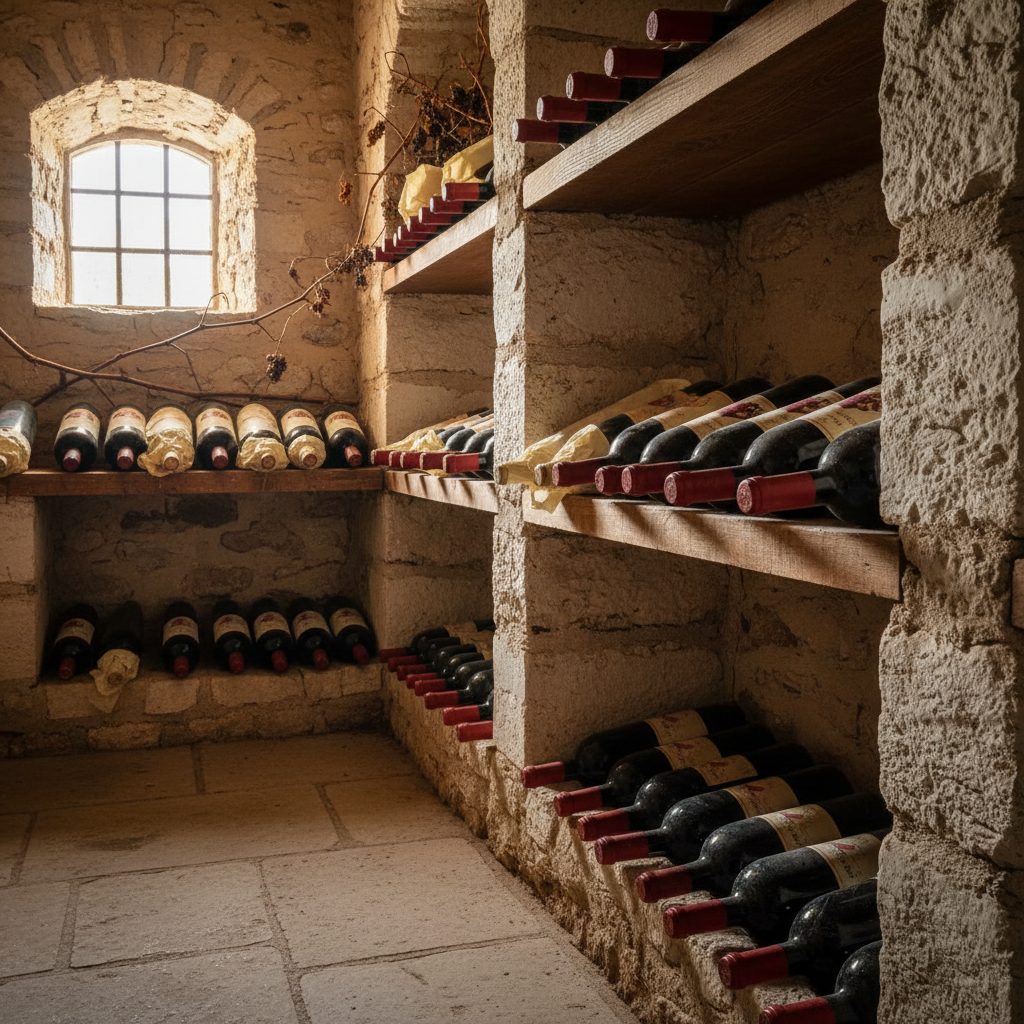
Storing wine at home doesn't require a stone-walled basement or an expensive cooling system as long as you provide a dark, stable, and cool environment. By focusing on consistency rather than perfection, you can protect your favorite bottles from heat and light to ensure they taste exactly as the winemaker intended.
The Three Enemies of Wine: Heat, Light, and Vibration
When I first started visiting the dusty cellars of Saint-Émilion three decades ago, I noticed something immediately: it was always cool and quiet. Wine is a living, breathing thing that evolves inside the glass bottle. To help it reach its peak, you have to defend it against three main threats.
Heat is the most common culprit. When a bottle gets too warm, the liquid expands, which can push the cork out slightly and let oxygen in. This "cooks" the wine, leaving it tasting flat, raisiny, or like vinegar. Light is another concern, specifically UV rays. This is why many red wines come in dark green bottles—it acts like sunglasses for the juice. Finally, constant vibration, like sitting on top of a refrigerator, can agitate the sediment and disrupt the delicate chemical reactions that happen during aging.
Finding the Sweet Spot in Your House
You don't need to dig a hole in your backyard to find a good storage spot. Most homes have a "microclimate" that works perfectly for wine. Look for an interior closet or a spot under the stairs. These areas are usually shielded from outside walls, which fluctuate in temperature as the sun moves across the sky.
Avoid the kitchen at all costs. Between the oven, the dishwasher, and the top of the fridge, the kitchen is the most temperature-volatile room in the house. The laundry room is another bad choice because of the heat and humidity generated by the dryer. Instead, head to the lowest level of your home. Cold air sinks, so a basement or a ground-floor closet is almost always cooler than an upstairs bedroom.
Practical Steps for Setting Up Your Storage
Setting up a home storage area is more about organization and environment than fancy hardware. Follow these steps to get your collection settled in safely:
- Choose a Dark Space: If you are using a wire rack in a room with windows, drape a heavy cloth over the rack to block out sunlight. Darker is always better.
- Lay Bottles Flat: You want the wine to stay in contact with the cork. This keeps the cork moist and expanded, preventing it from drying out and letting air into the bottle. If you have screw-cap wines, they can stand up, but lying them down saves space.
- Monitor the Temperature: Buy a simple digital thermometer that records high and low temperatures. Place it in your storage spot for a week. If the temperature stays between 55°F and 68°F without swinging more than 5 degrees in a single day, you have a winner.
- Minimize Movement: Once you put a bottle away, leave it there. Don't pull it out every week to show friends. Every time you move it, you risk disturbing the aging process.
- Use Sturdy Racks: Whether it's a wooden diamond bin or a metal stackable rack, ensure it is stable and won't tip over. High-quality wine is heavy, and a collapsing rack is a heartbreak no one should experience.
When to Buy a Dedicated Wine Fridge
If you find that your home stays above 70°F year-round, or if you’ve started investing in bottles that cost more than $50 each, it might be time for a small wine refrigerator. These are different from regular fridges because they maintain a higher humidity level (around 50-70%) to keep corks healthy and they don't vibrate as much.
A small 24-bottle unit is a great starting point. It fits under a counter or in a corner and gives you peace of mind. Just remember: once you buy a wine fridge, you will likely fill it faster than you think, so consider sizing up if you have the space!
Managing Humidity and Air Quality
In the grand châteaus of Bordeaux, the cellars are often damp enough to make the labels peel off. While you don't need your home to be that humid, a very dry environment can cause corks to shrink. If you live in a desert climate, placing a small pan of water near your wine rack can add just enough moisture to the air to protect your corks.
Also, keep your wine away from strong odors. Corks are porous, and if you store your wine next to open paint cans or onions, those smells can eventually seep into the bottle and ruin the flavor profile. Clean, neutral air is the goal for any long-term storage area.
Summary of Home Storage Basics
| Factor | Ideal Condition | Home Solution |
| :--- | :--- | :--- |
| Temperature | 55°F - 62°F | Interior closet or basement |
| Light | Pitch black | Closet door or heavy cloth cover |
| Position | Horizontal | Wine rack or sturdy shelving |
| Stability | No vibration | Away from appliances and stairs |
FAQ
Can I store wine in my regular food refrigerator?
A regular fridge is too cold (usually around 38°F) and too dry for long-term storage. It will eventually dry out the cork. However, it is perfectly fine for keeping an open bottle for 2-3 days or chilling a bottle of white wine for a few hours before dinner.
How long can wine stay at room temperature?
If your home stays around 70°F, most wines will be perfectly safe for 6 to 12 months. If you plan to keep a bottle for several years, you really need to find a spot that is consistently under 65°F to prevent the wine from aging too quickly.
Do I need to worry about the humidity level?
For most casual collectors, humidity isn't a major issue unless you live in a very arid climate or use a high-powered air conditioner that dries out the air. As long as the bottles are lying on their sides, the wine keeps the bottom of the cork wet, which handles most of the work.
Next Step
If you’re feeling unsure about whether your current setup is protecting your investment, I’m happy to help you evaluate your space. Whether you're turning a closet into a cellar or just want to know if that bottle of Bordeaux you bought is safe, let's chat. Text me at 713-420-9250 to schedule a free 15-minute consultation, and we can make sure your wine is ready for the corkscrew whenever you are.