When to drink Bordeaux: drinking windows made simple
By Bordeaux Brian · 2026-10-01
Knowing when to pull the cork on a bottle of Bordeaux depends on the wine's specific region, its classification, and the conditions of the vintage. Generally, entry-level Bordeaux is best within three to five years, while prestigious estate wines often require ten to twenty years to reach their full potential.
Understanding the Lifecycle of Bordeaux
Bordeaux is unique because it is built to evolve. When a bottle is first released, it is often "tight" or high in tannins, which can make the wine feel drying on the tongue. Over time, these tannins soften, the bright fruit flavors transform into savory notes like leather and tobacco, and the acidity integrates. The goal of a drinking window is to find that sweet spot where the fruit is still alive, but the structural elements have smoothed out.
Think of a wine's life like a bell curve. In the early years, the wine is climbing toward its peak. During the peak, the wine stays consistent and delicious for several years. Eventually, the wine begins to decline, where the fruit fades away entirely, leaving only the structural bones. Most wine lovers prefer their Bordeaux right at the start of that peak or in the middle of it.
Left Bank vs. Right Bank Timing
The geography of Bordeaux plays a massive role in how long you should wait. The region is split by the Gironde estuary into two distinct styles.
The Left Bank (Medoc and Graves): These wines are dominated by Cabernet Sauvignon. Because Cabernet has thick skins, these wines have high tannins and high acidity. They are the marathon runners of the wine world. A top-tier Saint-Estèphe or Pauillac might not even start to taste "ready" until it is ten years old. For great vintages, these can easily last thirty to fifty years.
The Right Bank (Saint-Émilion and Pomerol): These wines are dominated by Merlot. Merlot is naturally softer, juicier, and lower in tannin than Cabernet. Because of this, Right Bank wines often enter their drinking window much sooner. You might find a beautiful Saint-Émilion is singing at year seven or eight, whereas a Margaux from across the river still feels a bit shy.
Drinking Windows by Classification
Not all Bordeaux is created equal, and you shouldn't treat a 0 bottle the same way you treat a 00 bottle. Here is a simple breakdown of what to expect based on the quality level of the wine:
- Bordeaux & Bordeaux Supérieur: These are meant for immediate enjoyment. Drink these within 2 to 5 years of the vintage date. They are made to be fruity and fresh.
- Cru Bourgeois & Village Level: These are a step up in quality. They usually benefit from 5 to 10 years of aging. A Moulis-en-Médoc or a generic Pomerol fits here.
- Classed Growths (Grand Cru Classé): These are the blue chips. For the 1855 Classified growths of the Médoc or the top Saint-Émilion estates, patience is required. Most of these wines need at least 10 years to show their character and can peak between 15 and 25 years.
- Sweet White Wines (Sauternes): These are the outliers. Because of the high sugar and acidity, they can last almost indefinitely. While delicious at 5 years old, they become magical at 20 or 30 years.
The Role of the Vintage
The weather in a specific year acts as the "gas in the tank" for the wine. In "hot" years like 2009, 2015, or 2018, the grapes get very ripe. These wines have lots of fruit and can often be enjoyed a bit younger because the ripeness masks the tannins. In "cool" or "classic" years like 2014 or 2021, the wines are more acidic and lean. These often require more time to soften up and may have a shorter overall lifespan than the blockbuster years.
If you have a bottle from a legendary year like 2010 or 2016, be prepared to wait. Those wines have so much structure that they can stay "closed" (tasting like nothing) for a decade before finally opening up to reveal their complexity.
Practical Steps for Timing Your Bottles
- Check the Vintage Chart: Keep a simple Bordeaux vintage chart handy. It will tell you if the year was generally "early maturing" or "long-lived."
- Buy in Threes: If you have the space and budget, buy three bottles of the same wine. Open one early to see how it's doing. If it’s too harsh, wait three years for the next one. This is the best way to learn your own palate preferences.
- Use Modern Tools: Apps like CellarTracker are invaluable. You can see reviews from thousands of other wine drinkers who are opening the same bottle right now. If everyone says "still needs time," keep yours in the cellar.
- Proper Storage is Key: A drinking window assumes the wine is kept in a cool, dark, and humid place. If you store your wine on top of the refrigerator, it will age three times faster (and not in a good way).
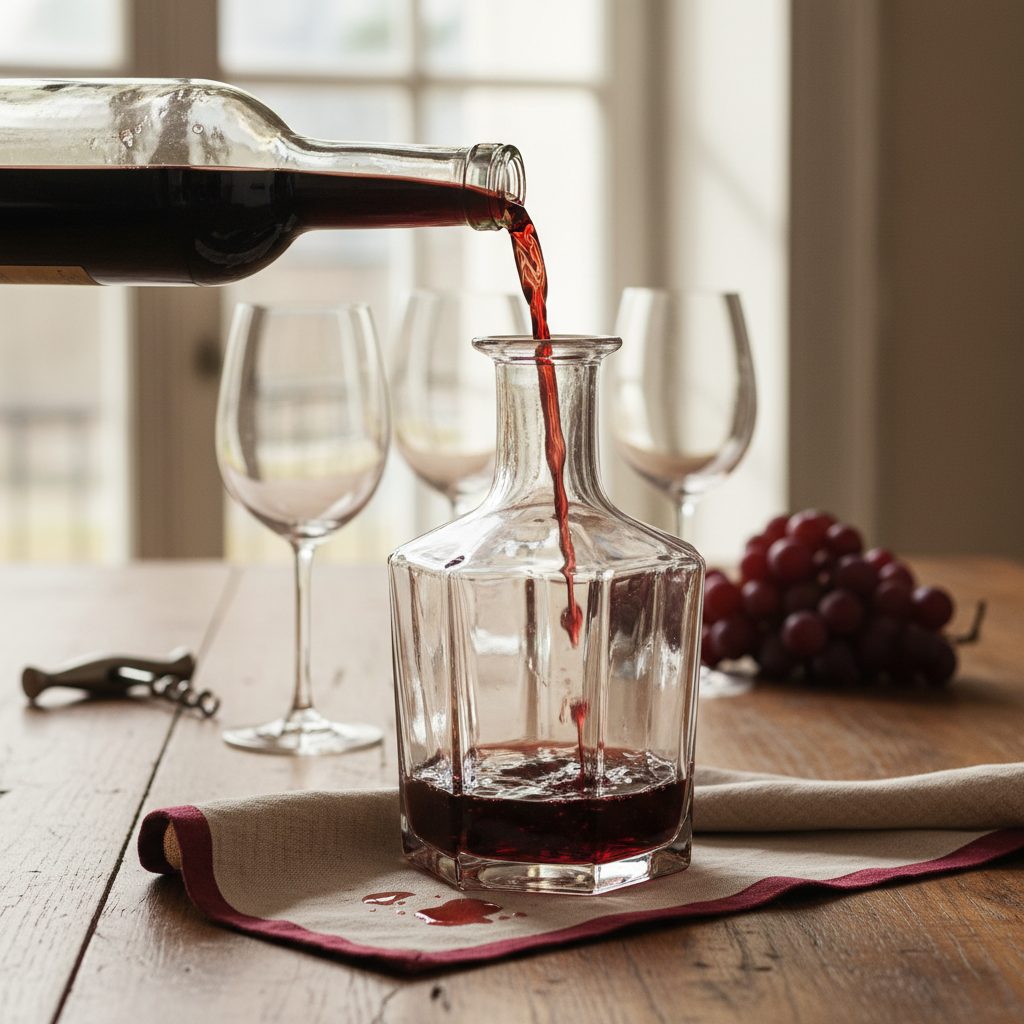
- Decanting: If you decide to open a Bordeaux "too early," a long decant (2 to 4 hours) can help mimic the effects of aging by exposing the wine to oxygen and softening the tannins.
FAQ
What does it mean when a wine is "closed"?
This is a phase, often occurring between years 4 and 8 for top wines, where the initial fruit flavors disappear but the aged complexities haven't arrived yet. The wine tastes flat or muted. If this happens, just put the cork back in and wait a few more years.
Can I drink a 20-year-old Bordeaux if I don't have a cellar?
If the wine has been kept in a standard room-temperature closet away from light, it likely aged faster. It may still be good, but you should probably drink it sooner rather than later. If it was kept in a kitchen or near a heater, the wine may be "cooked" and lost its freshness.
Should I decant old Bordeaux?
Be careful with very old bottles (20+ years). The sediment needs to be removed, but the wine itself can be fragile. Oxygen can cause a very old wine to fade quickly. Decant just before serving to remove sediment, rather than letting it sit for hours.
Next Step
Figuring out the perfect moment to enjoy your Bordeaux can feel like a guessing game, but you don't have to do it alone. If you have a specific bottle you're curious about or need help organizing your collection to ensure nothing goes past its prime, I'm here to help. Reach out for a free 15-minute consultation to talk about your wines—just text Brian at 713-420-9250.