Bordeaux wine for beginners: Left Bank, Right Bank, and what to buy first
By Bordeaux Brian · 2026-10-01
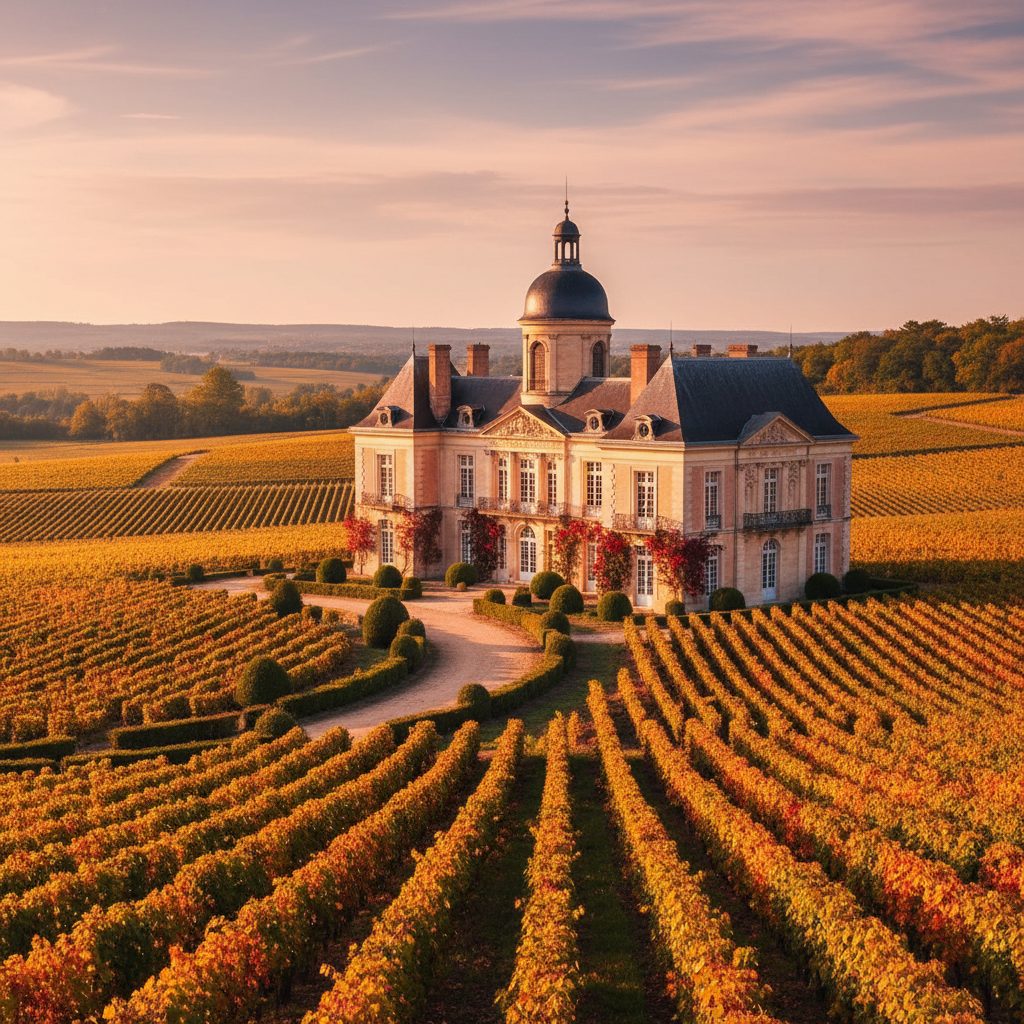
Bordeaux is a legendary French wine region divided by the Gironde estuary into two distinct styles known as the Left Bank and the Right Bank. Beginners should look for a bottle from the Médoc for a bold, structured taste or a Saint-Émilion for a softer, fruit-forward experience.
Understanding the Great Divide
When you start looking at Bordeaux labels, the first thing you will notice is that the names of the grapes—like Cabernet Sauvignon or Merlot—are almost never listed on the front. Instead, the wine is defined by its geography. The region is physically split by the Garonne and Dordogne rivers, which meet to form the Gironde estuary. This Y-shaped waterway creates two primary sides, each with its own personality, soil, and star grapes.
The Left Bank is located to the west and south of the rivers. It is famous for its gravelly soil, which holds heat and helps the thick-skinned Cabernet Sauvignon grape ripen to perfection. The Right Bank lies to the east and north. Here, the soil is dominated by clay and limestone, which stays cooler and provides the ideal home for the Merlot grape.
Think of it this way: The Left Bank is like a well-tailored suit—structured, firm, and serious. The Right Bank is more like a high-quality cashmere sweater—plush, soft, and immediately welcoming. Understanding this basic difference is the secret to finding a bottle you will actually enjoy drinking tonight.
The Left Bank: Power and Structure
The Left Bank is home to some of the most famous names in the world, including the Médoc and Haut-Médoc districts. Within these areas, you will find legendary villages like Pauillac, Margaux, Saint-Julien, and Saint-Estèphe.
Because these wines are dominated by Cabernet Sauvignon, they have a lot of "tannin." Tannin is that drying sensation you feel on your gums and the sides of your tongue. While that might sound intimidating, it is actually what gives the wine its backbone. In their youth, Left Bank wines can be quite intense, often tasting like blackcurrants, pencil shavings, and cedar. As they age, they soften and develop complex aromas of leather and tobacco.
If you love a bold Napa Valley Cabernet, the Left Bank is your natural starting point. However, because these wines are so structured, they almost always taste better when paired with a meal, particularly something hearty like a steak or roasted lamb.
The Right Bank: Softness and Fruit
If the Left Bank is the kingdom of Cabernet, the Right Bank is the empire of Merlot. The two most famous areas here are Saint-Émilion and Pomerol. Because Merlot is the primary grape, these wines tend to be much softer and juicier than their cousins across the river.
Right Bank wines usually have higher alcohol content and lower acidity, making them feel "rounder" in your mouth. You will often taste flavors of plum, black cherry, chocolate, and baking spices. They are typically ready to drink much sooner than Left Bank wines. While a top-tier Médoc might need ten years in a cellar to taste its best, a lovely Saint-Émilion is often delicious just a few years after the harvest.
For a beginner, the Right Bank is often the most "user-friendly" entry point. The wines are approachable, easy to pair with a wide variety of foods, and offer a lush texture that many new wine drinkers find very appealing.
What to Buy for Your First Bottle
Walking into a wine shop can be overwhelming when you see rows of dusty bottles with gold-embossed labels. To keep things simple for your first purchase, follow these three guidelines:
- Look for "Cru Bourgeois" on the Left Bank: If you want to try the structured style of the Left Bank without spending hundreds of dollars, look for the words "Cru Bourgeois" on the label. This is a classification for high-quality estates in the Médoc that offer great value. They provide the classic Cabernet experience at a fraction of the cost of the famous "First Growths."
- Seek out "Satellites" on the Right Bank: Saint-Émilion is a famous (and expensive) name. However, there are surrounding areas known as the "satellite" appellations, such as Lussac-Saint-Émilion or Montagne-Saint-Émilion. These wines are made primarily from Merlot and offer that classic Right Bank plushness for a much more beginner-friendly price.
- Check the Vintage: Bordeaux weather varies every year. While you don't need to memorize a vintage chart, looking for years like 2015, 2016, 2018, or 2019 will generally ensure you get a bottle made in a warm, successful growing season. These years produced wines that are ripe and delicious.
Practical Steps for Serving Bordeaux
Once you have picked your bottle, a little bit of preparation will help the wine show its best. Bordeaux is not a wine you want to drink ice cold, but you also don't want it too warm. Aim for "cellar temperature," which is about 60-65 degrees Fahrenheit. If the bottle feels warm to the touch, put it in the fridge for 15 minutes before opening.
Second, give the wine some air. You do not need a fancy crystal decanter; a simple glass pitcher will do. Pouring the wine into another container allows oxygen to interact with the liquid, which "opens up" the aromas and softens the tannins. For a young bottle, letting it sit for about 30 to 60 minutes can make a world of difference.
Finally, use a glass with a large bowl. This allows you to swirl the wine without spilling, which further aerates the liquid and lets you smell all those wonderful black fruit and earthy aromas that make Bordeaux so special.
FAQ
Do I need to age Bordeaux before drinking it?
While top-tier Bordeaux is built to last for decades, most bottles found in your local shop for 5-$50 are intended to be enjoyed within 3 to 7 years of the vintage date. You do not need a cellar to enjoy good Bordeaux.
Why is Bordeaux always a blend?
Bordeaux winemakers blend grapes as a form of insurance. Cabernet Sauvignon ripens late, while Merlot ripens early. By planting both, the winemaker ensures they will have a good harvest even if the weather is difficult for one specific grape variety.
Can I find white Bordeaux too?
Yes! While the region is famous for red, they make excellent white wines primarily from Sauvignon Blanc and Sémillon. These are usually labeled as "Pessac-Léognan" or simply "Bordeaux Blanc" and are crisp, refreshing, and citrusy.
Next Step
Starting your journey into French wine is much easier with a guide who has spent decades walking the vineyards and tasting the barrels. If you feel stuck choosing between a Médoc or a Pomerol for your next dinner party, I am here to help. To clear up the confusion and find the perfect bottle for your budget, text me at 713-420-9250 to schedule a free 15-minute consultation.