How to Taste Wine at a Winery (and Actually Remember It)
By Bordeaux Brian · 2026-10-01
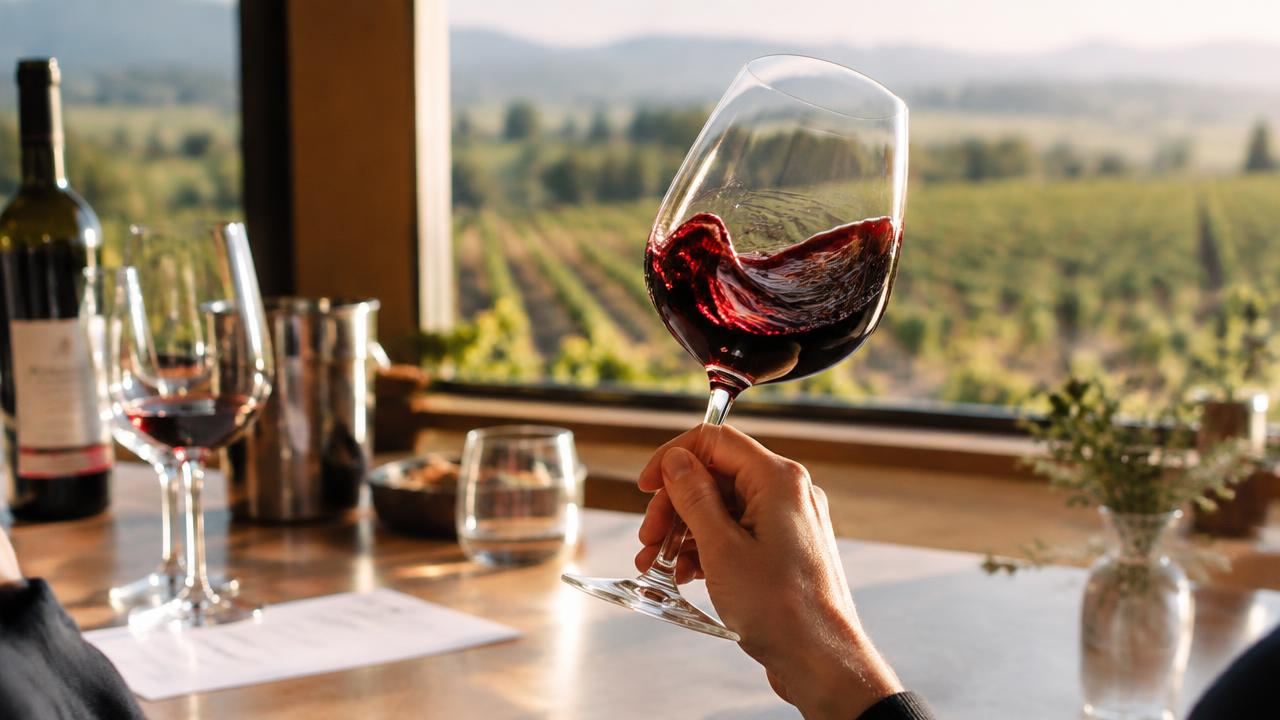
To taste wine well, look at it, swirl it, smell it twice, take a small sip and hold it in your mouth for a few seconds, then note one thing you liked and one thing you noticed. That is enough. Most people forget the wines they taste on a trip because they never write down anything simple and personal.
The five steps
1. Look. Tilt the glass against a white surface. Deep purple often suggests a young wine; brick or orange at the rim suggests age. Whites deepen from pale lemon toward gold as they age.
2. Swirl. A few gentle circles release aromas. Keep the base on the table if you are nervous about spilling.
3. Smell. Take a short sniff, then a longer one. Ask simple questions: fruit or earth? Fresh or cooked? Flowers, spice, wood?
4. Sip. Take a small sip and move it around your mouth. Notice:
- Acidity: Does your mouth water?
- Tannin: Do your gums feel dry?
- Body: Light like skim milk, or full like cream?
- Finish: How long does the flavor last after you swallow or spit?
5. Decide. Do you like it? Why? That answer is more valuable than any technical term.
A note system that works
Use your phone. For each wine, write:
- Name, producer and vintage (or photograph the label)
- One line: what it reminded you of
- One score: a simple 1–5 for how much you enjoyed it
- Context: where you were and what you ate
Example: "2016 estate red. Plums and pencil shavings. Firm. 4/5. Tasted in the barrel cellar, would love with lamb."
Pacing yourself
- Use the spittoon; it keeps your palate and judgment sharp.
- Drink water between wines.
- Eat something before afternoon tastings.
- Limit yourself to two or three visits a day.
The order matters
Wineries usually serve lighter wines before heavier ones and dry before sweet. If you are comparing on your own, follow the same order; a big red followed by a delicate white will make the white seem thin.
Words you can skip
You do not need to identify "gooseberry" or "forest floor." Simple words like fresh, juicy, soft, firm, smoky or long describe wine perfectly well and are more useful to you later.
Turning notes into better buying
After a trip, look at which wines scored 4 or 5. You will usually spot a pattern: a grape, a region, or a style. That pattern is your palate, and it is the most useful thing you can bring to a wine shop or restaurant list.
Frequently asked questions
Is it rude to spit? No. It is standard practice at wineries.
Is it okay to dislike a wine? Absolutely. Honest reactions help you learn.
Should I rinse my glass with water between wines? Usually a splash of the next wine is better than water, but either is fine.
How many wines can I really taste? Most people lose focus after 10 to 15 wines in a day, even when spitting.
Good tasting is not about vocabulary. It is about paying attention and writing down just enough to remember.