How to choose wine at a restaurant with confidence
By Bordeaux Brian · 2026-10-01
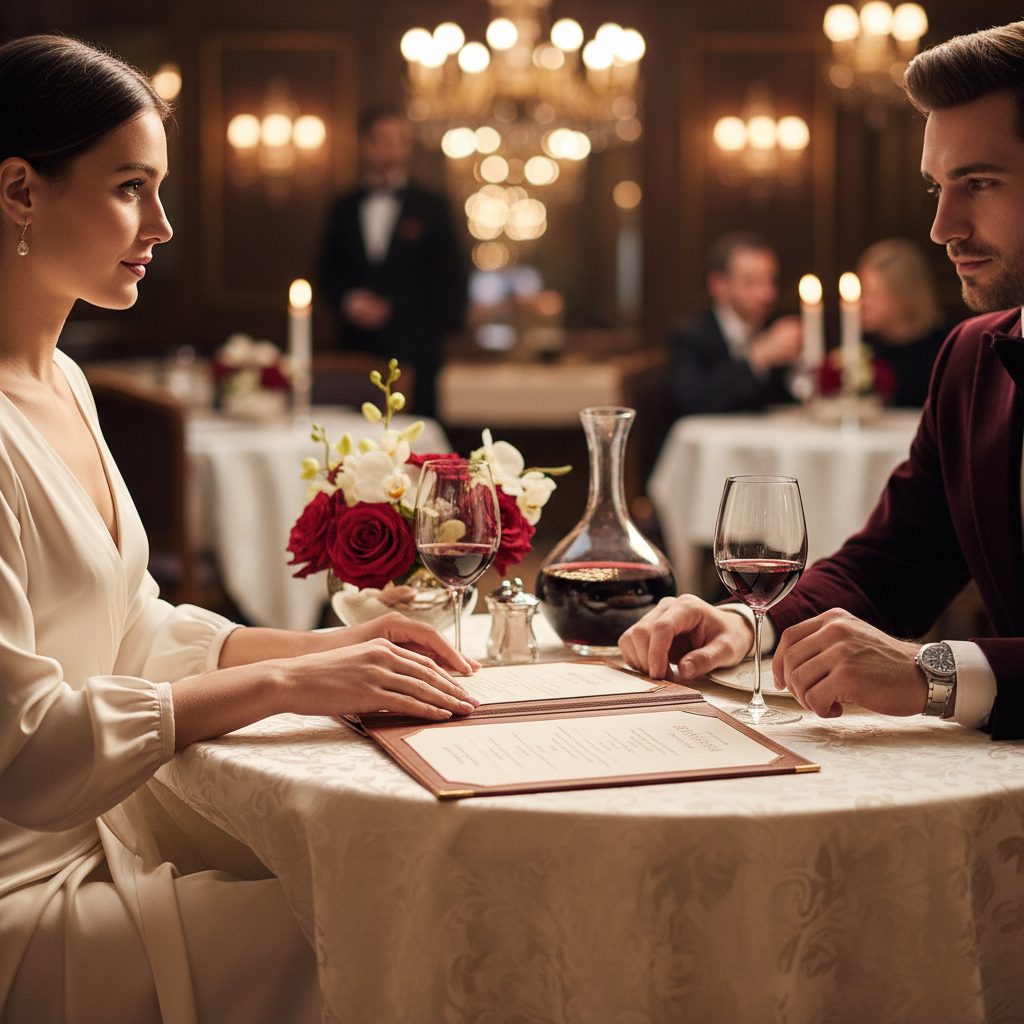
Choosing wine at a restaurant shouldn't be a test of your knowledge, but rather an opportunity to enhance your meal and enjoy a great conversation. The secret to confidence lies in being honest about your budget and tastes while knowing which questions to ask the staff.
Start with Your Preferences and Budget
The most important step in ordering wine happens before the server even arrives at your table. Take a moment to decide what you actually feel like drinking. Are you in the mood for something light and crisp, or are you craving a deep, earthy red? Having a general sense of your palate’s desire prevents you from feeling overwhelmed by a twenty-page leather-bound list.
Equally important is setting your budget. There is no shame in having a price range, and a good restaurant expects it. A pro tip for communicating your budget discreetly is to point to a price on the wine list and tell the server or sommelier, "I am looking for something in this style and around this price point." This allows you to maintain the flow of the evening without announcing your spending limit to the entire table. It gives the staff a clear boundary to work within, helping them find the best value for your money.
Deciphering the Wine List Layout
Most wine lists are organized in one of three ways: by geography, by grape variety, or by body/style. If a list is organized by geography, you will see sections for France, Italy, and California. If it is by variety, you will see Cabernet Sauvignon, Pinot Noir, or Chardonnay.
If you find yourself staring at a region you aren't familiar with, look for the "neighborhood" effect. For instance, if you love big California Cabs but see a list dominated by Bordeaux, look for the Left Bank regions like Médoc or Haut-Médoc. These often feature the Cabernet grape you already love, just grown in different soil. If the list is short, the restaurant has likely curated those bottles to pair specifically with their menu. In these cases, it is often safer to pick something from the middle of the price range rather than the very cheapest bottle, which is often the one with the highest markup for the restaurant.
Engaging with the Staff
You don't need to be an expert to talk to one. The server or wine steward is there to help you, not to judge you. When they approach the table, use descriptive words that aren't necessarily "wine speak." Instead of saying "I want a wine with high tannins and secondary aromas," try saying "I like wines that feel a bit dry and remind me of a forest floor" or "I prefer something fruity and smooth."
If the restaurant has a dedicated wine professional, ask them what they are excited about right now. Often, they have a "hidden gem" on the list—a bottle from a lesser-known region that offers incredible quality for the price. Ask, "Is there something on the list you think is drinking particularly well right now for under $80?" This invites them to share their passion and usually results in a better experience than simply picking a famous brand name.
Practical Steps for the Table
Once you have made your selection, there is a small ritual that follows. Here is how to handle it with ease:
- Verify the Label: The server will present the bottle to you before opening it. Check the name of the producer, the grape, and most importantly, the vintage (the year). It is common for restaurants to run out of one year and move to the next without updating the list. If it's a different year than what you ordered, it's okay to ask if the price is the same or if the flavor profile has changed.
- The Cork Inspection: If the server places the cork on the table, you don't need to smell it. Just give it a quick glance to make sure it isn't crumbling or soaked all the way to the top. The smell of the cork doesn't tell you much; the smell of the wine does.
- The Tasting Pour: The server will pour a small amount into your glass. Swirl it gently, take a sniff, and a small sip. You aren't checking to see if you "like" it (though hopefully you do); you are checking to see if the wine is "corked." If it smells like wet cardboard, musty basement, or old newspapers, it is likely flawed. If it tastes clean and bright, give a small nod and say, "That’s lovely, thank you."
- Temperature Check: If a red wine feels warm to the touch, don't be afraid to ask for an ice bucket for five minutes. Many restaurants store their reds too warm, and a slight chill can make a world of difference in the flavor.
Pairing with Your Food
While "red with meat, white with fish" is a fine starting point, modern dining is more flexible. If one person is having steak and the other is having poached salmon, look for a "bridge" wine. A medium-bodied Pinot Noir or a dry Rosé can often bridge the gap between heavy and light dishes.
Another trick is to pair the wine with the sauce rather than the protein. A chicken dish with a heavy cream sauce might actually pair better with a full-bodied Chardonnay than a light red. If you are truly stuck, sparkling wine is the ultimate "chameleon." A dry Champagne or Crémant goes with almost everything from fried appetizers to salty entrees, and it always makes a meal feel like a celebration.
FAQ
What should I do if the wine tastes bad but isn't spoiled?
If the wine is technically sound (not corked) but you simply don't like the flavor, most high-end restaurants will still offer to replace it if you've only had a sip, though this is a courtesy. This is why it’s helpful to ask the server for a description before committing. If you followed their recommendation and don't like it, they will almost always swap it out.
How much should I tip on an expensive bottle of wine?
In the United States, the standard is to tip on the total bill, including the wine. However, if you order an exceptionally rare or expensive bottle (several hundred dollars), some diners choose to tip a flat fee or a slightly lower percentage on the wine portion specifically. Generally, sticking to your standard tipping percentage is the most appreciated path by the staff who handled the glassware and service.
Is it okay to bring my own bottle to a restaurant?
This is called "corkage." Many restaurants allow it for a fee, but it is polite to call ahead and ask. The golden rule of corkage is never to bring a bottle that is already on the restaurant's wine list. Bringing a special bottle from your personal cellar for a milestone event is usually welcomed, provided you pay the fee and perhaps offer the server a small taste.
Next Step
Navigating a wine list is a skill that grows with every meal, and having a bit of guidance can turn a stressful choice into the highlight of your evening. If you have an upcoming special dinner or need help building a list for your own event, I’d love to share more of my 30 years of experience with you. To chat about your specific tastes or get a quick recommendation, text me at 713-420-9250 to schedule a free 15-minute consultation.