Why Fronsac Is One of Bordeaux's Best-Kept Values
By Bordeaux Brian · 2026-10-01
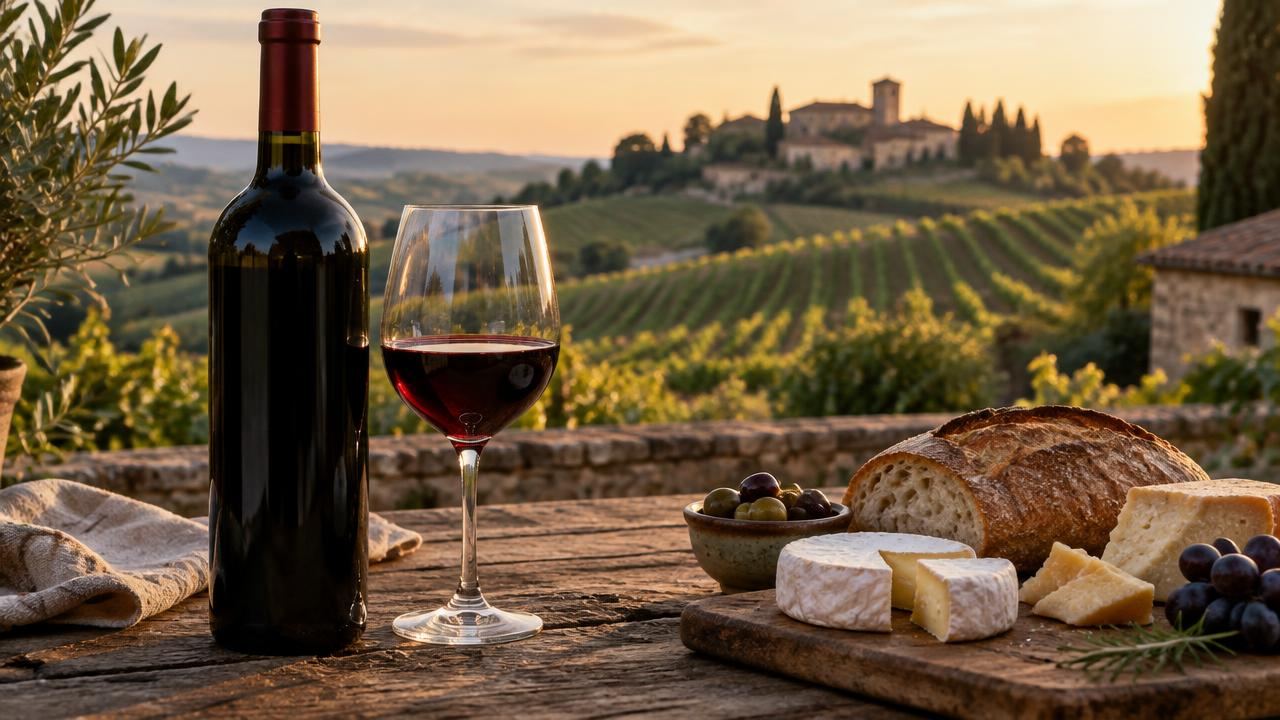
Fronsac and Canon-Fronsac are small Right Bank appellations just west of Pomerol, near the town of Libourne. Their Merlot-led wines grow on limestone and clay hillsides above the Dordogne, and they often deliver much of the character people seek in Saint-Émilion and Pomerol at a fraction of the price. For drinkers and collectors who want authentic Bordeaux without trophy pricing, they are among the smartest places to look.
Where Fronsac is
Fronsac sits on a series of hills overlooking the confluence of the Isle and Dordogne rivers. Canon-Fronsac is a smaller area within it, generally on the steeper slopes. From some hilltops you can see across to Pomerol and Saint-Émilion, which is a reminder of how close these neighbors are.
What the wines taste like
- Grapes: Mostly Merlot, with Cabernet Franc and some Cabernet Sauvignon and Malbec.
- Flavors: Dark plum, blackberry, violet, earth and a firm mineral backbone.
- Structure: Often a bit firmer than nearby Merlot wines, thanks to limestone. Good examples need a few years to soften.
Why the prices stay reasonable
Fronsac was once highly regarded, and historic records show it priced alongside Saint-Émilion and Pomerol. Over the twentieth century, attention and investment flowed to its neighbors. In recent decades, many estates have invested in better farming and winemaking, but reputations move slowly. That gap between quality and recognition is what creates value.
How long they age
- Recent vintages, simpler cuvées: Drink within 3 to 8 years.
- Serious estate wines from good vintages: Often 10 to 20 years.
- Older bottles: Well-stored Fronsac from strong years can still show beautifully after several decades, though storage history matters enormously.
What to eat with Fronsac
- Duck breast or confit
- Lamb with herbs
- Mushroom dishes and risotto
- Hard cheeses such as aged Comté
- Simple charcuterie and good bread
How to buy well
- Look for the estate name and vintage, not just the appellation.
- Favor good vintages for wines you plan to age.
- Buy a few bottles of the same wine so you can watch it change over time.
- Visit if you can. Many Fronsac estates are family-run and welcome appointments.
Frequently asked questions
Is Fronsac the same as Canon-Fronsac? They are separate appellations next to each other. Canon-Fronsac is smaller and generally on steeper slopes.
Is Fronsac good for collecting? Yes, for collectors who value drinking quality over trophy status.
How does it compare to Saint-Émilion? Often a little firmer and more rustic, with impressive depth for the price.
Is it hard to find? Less common in large stores; specialist merchants and direct estate purchases are the best sources.
If you want a cellar that rewards curiosity rather than famous labels, Fronsac belongs in it.